




Love quotes
Love, an emotion that transcends boundaries, is beautifully expressed in the mellifluous language of Urdu. With its poetic essence and lyrical charm, Urdu has long been associated with articulating the depths of affection, desire, and passion. Let’s explore 30 exquisite love quotes in Urdu that encapsulate the essence of romance:
love
Love is a feeling of strong attraction and emotional attachment to a person, animal, or thing.[1] It is expressed in many forms, encompassing a range of strong and positive emotional and mental states, from the most sublime virtue or good habit, or the deepest interpersonal affection, to the simplest pleasure.[2] An example of this range of meanings is that the love of a mother differs from the love of a spouse, which differs from the love of food.
for more quotes please click here
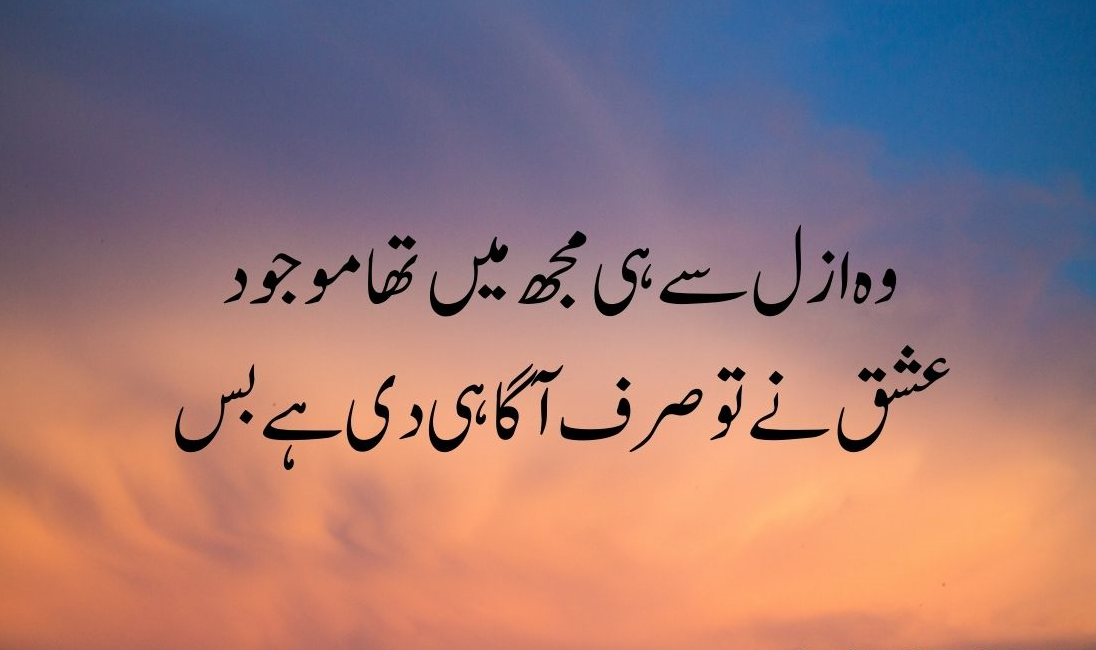
وہ ازل سے ہی مجھ میں تھا موجود
عشق نے تو صرف آگاہی دی ہے بس

آنکھوں سے مری اس لیے لالی نہیں جاتی
یادوں سے کوی رات کھالی نہیں جاتی
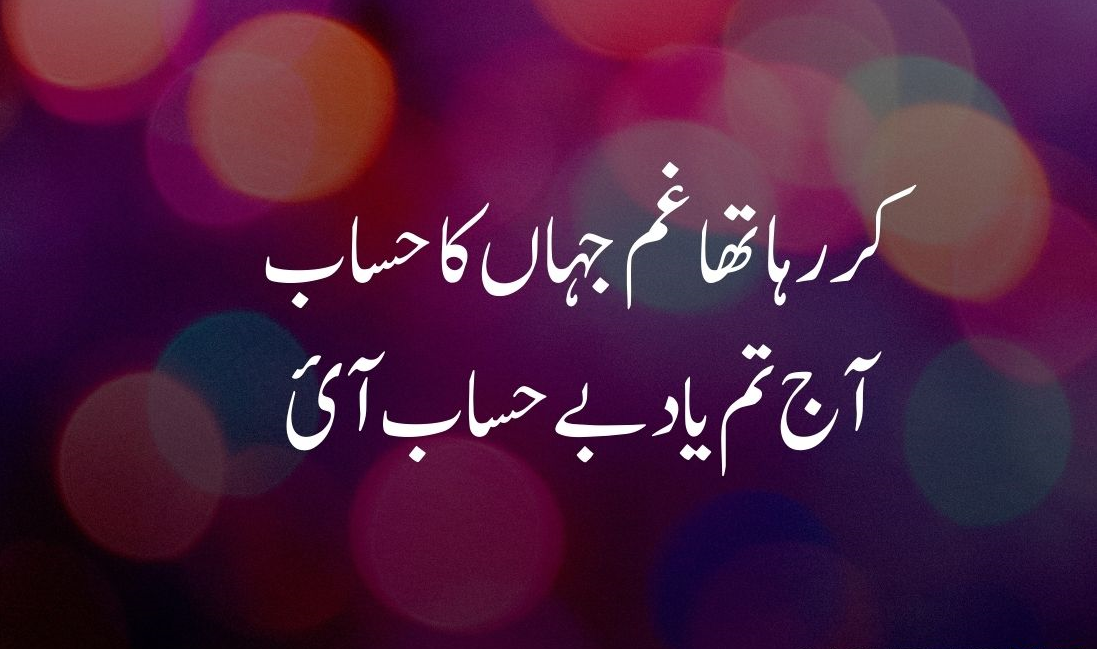
کر رہا تھا غم جہاں کا حساب
آج تم یاد بے حساب آئ
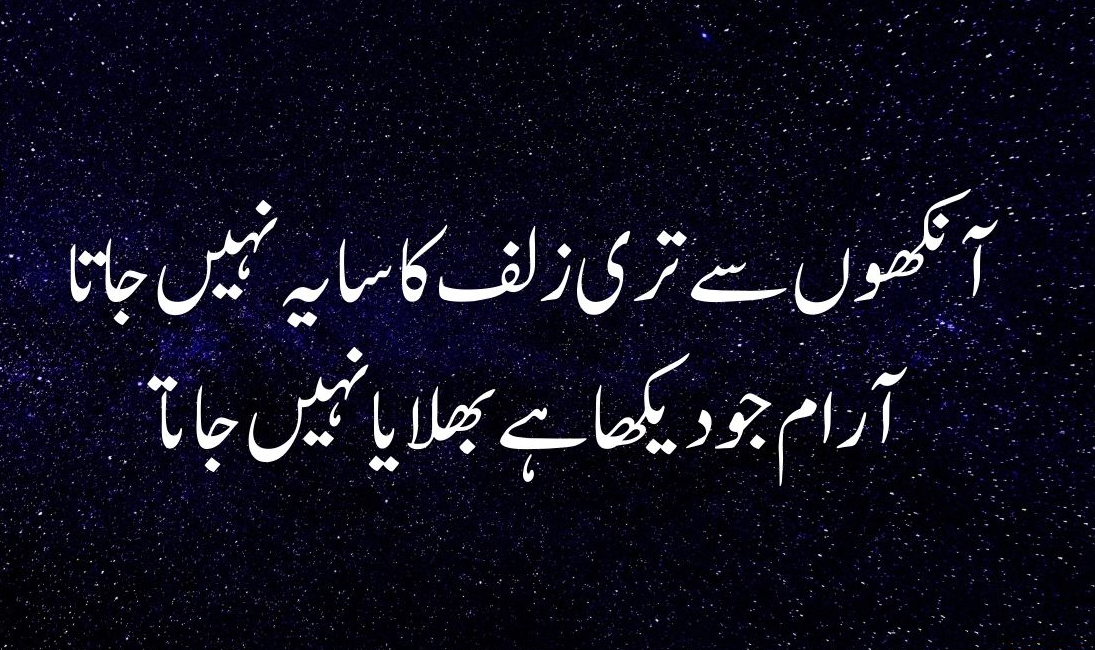
آنکھوں سے تری زلف کا سایہ نہیں جاتا
آرام جو دیکھا ہے بھلایا نہیں جاتا
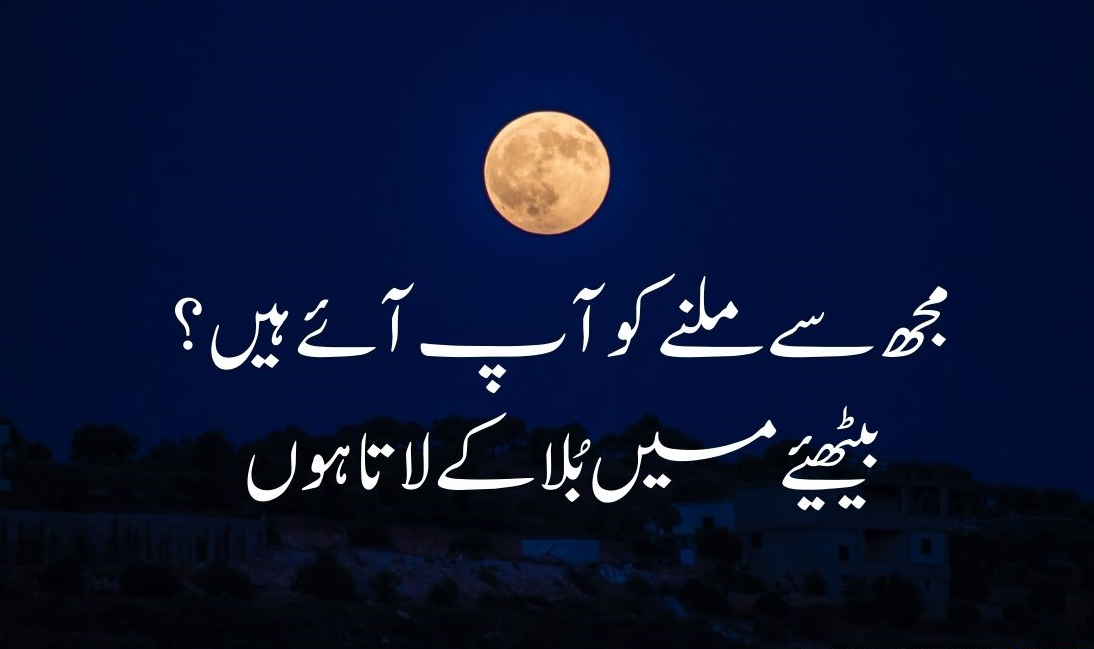
مجھ سے ملنے کو آپ آئے ہیں ؟
بیٹھیئے میں بُلا کے لاتا ہوں
love quotes in urdu

مر گئے خواب سب کی آنکھوں کے
ہر طرف ہے گلہ حقیقت کا
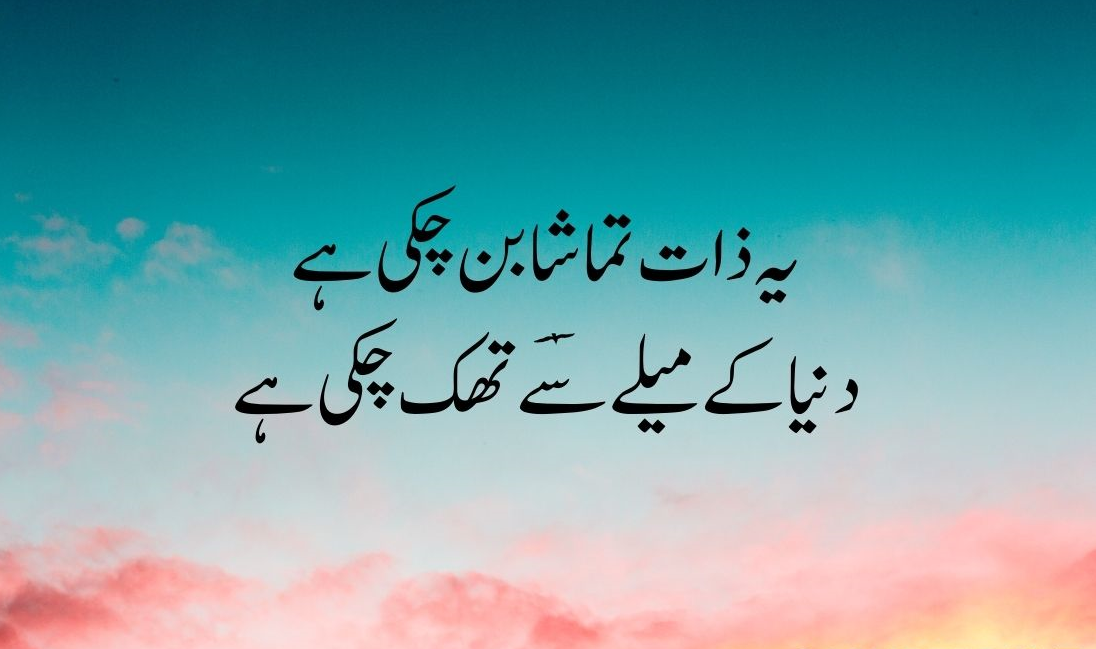
یہ ذات تماشا بن چکی ہے
دنیا کے میلے سے تھک چکی ہے

کاش کوئی تو ایسا ہو
جو اندر سے باہر جیسا ہو
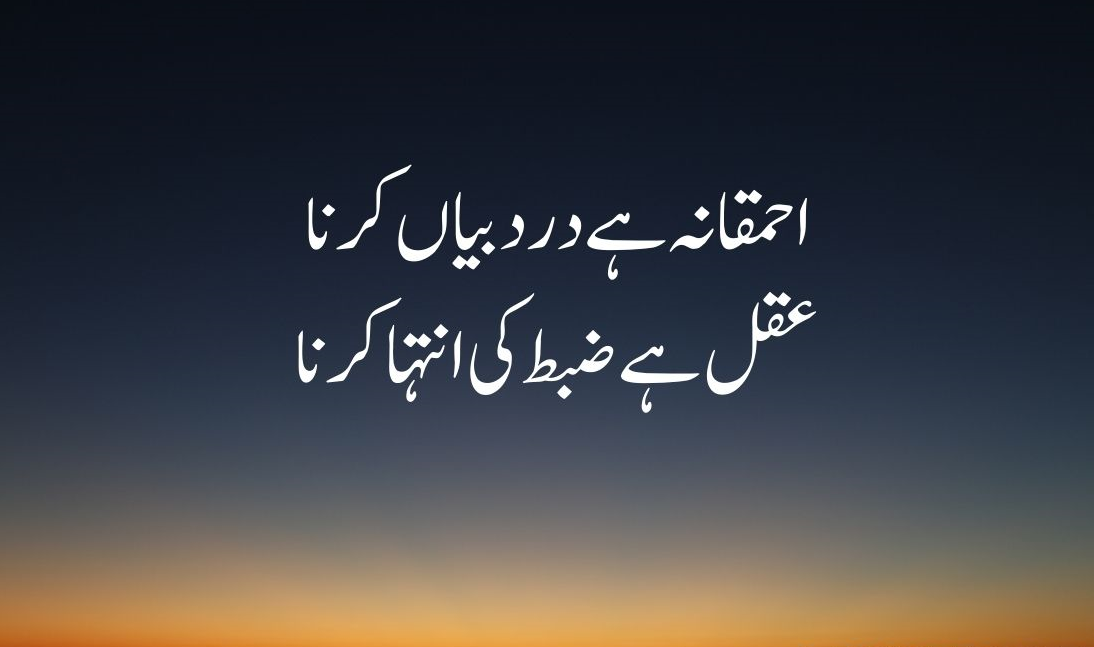
احمقانہ ہے درد بیاں کرنا
عقل ہے ضبط کی انتہا کرنا
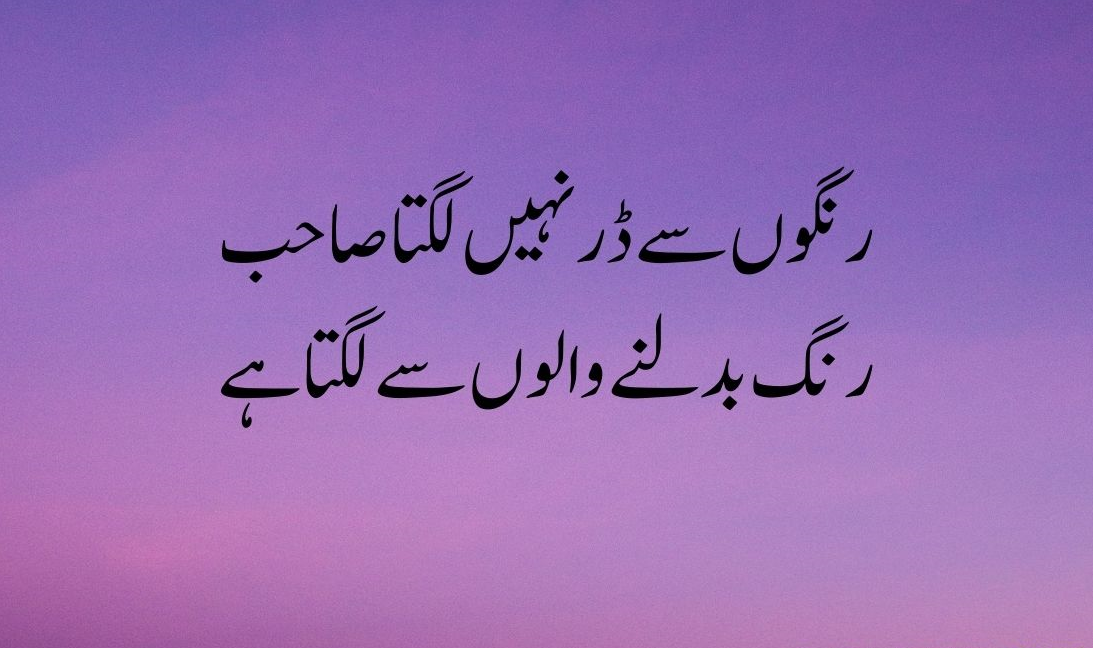
رنگوں سے ڈر نہیں لگتا صاحب
رنگ بدلنے والوں سے لگتا ہے
کتنی زلفیں کتنے آنچل اڑے چاند کو کیا خبر
کتنا ماتم ہوا کتنے آنسو بہے چاند کو کیا خبر
آج یوں موسم نے دی جشن محبت کی خبر
پھوٹ کر رونے لگے ہیں ، میں محبت اور تم
خاموشی رات کی دیکتھا ہوں اور تجھے سوچتا ہوں
مد ہوش اکثر ہوجاتا ہوں اور تجھے سوچتا ہوں
اندر ایسا حبس تھا، میں نے کھول دیا دروازہ
جس نے دل سے جانا ہے وہ خاموشی سے جائے
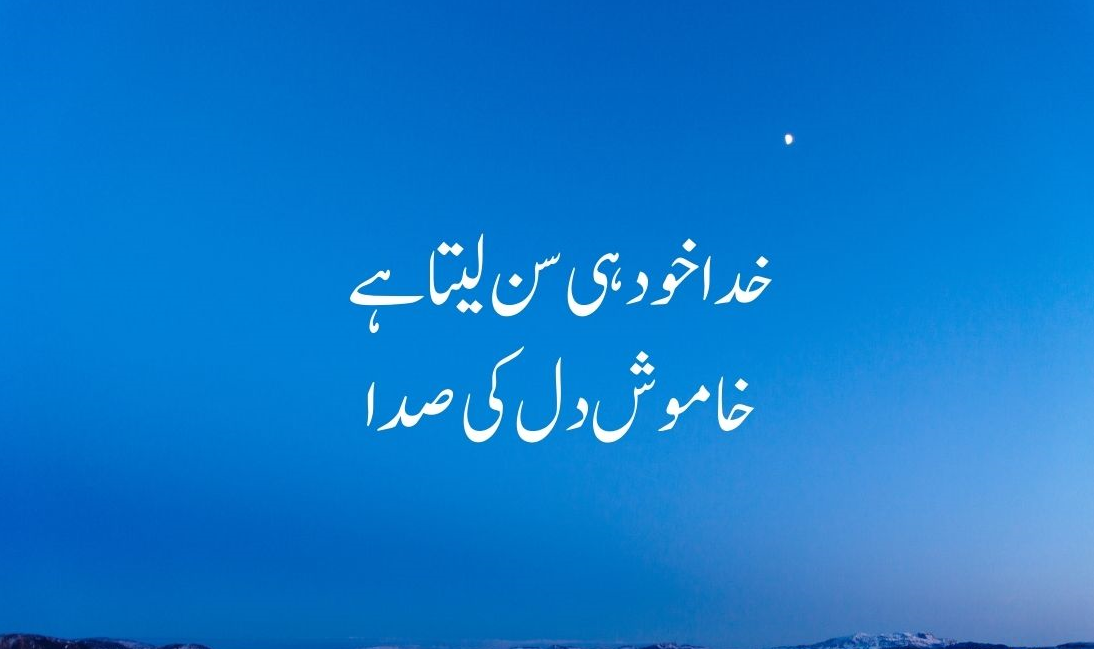
خدا خود ہی سن لیتا ہے
خاموش دل کی صدا
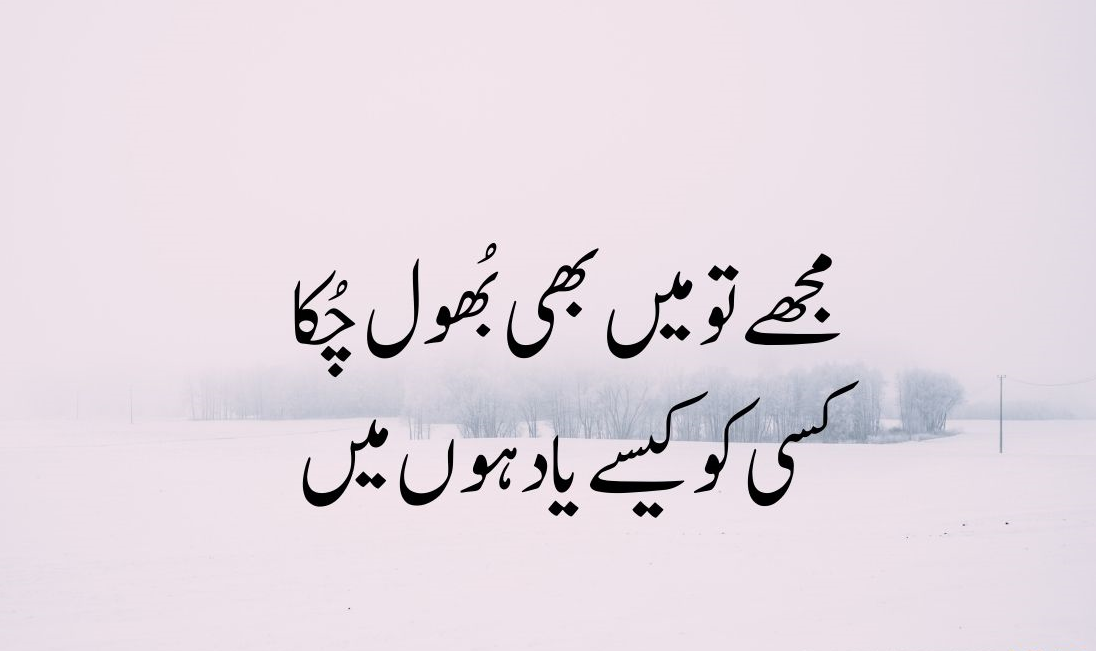
مجھے تو میں بھی بُھول چُکا
کسی کو کیسے یاد ہوں میں
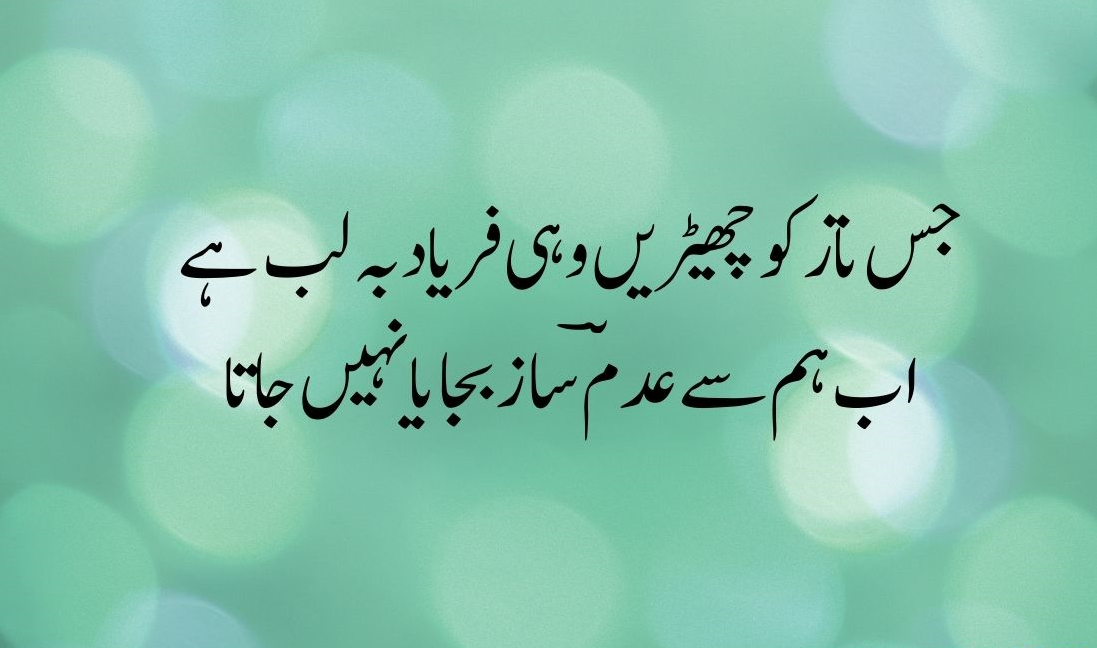
جس تار کو چھیڑیں وہی فریاد بہ لب ہے
اب ہم سے عدمؔ ساز بجایا نہیں جاتا
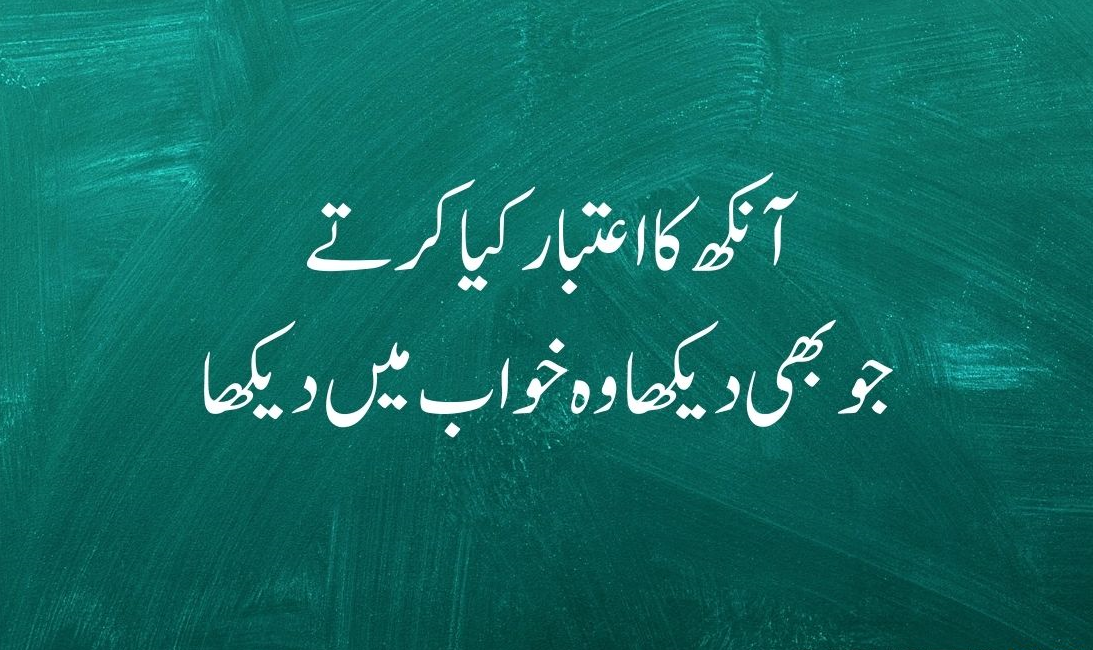
آنکھ کا اعتبار کیا کرتے
جو بھی دیکھا وہ خواب میں دیکھا
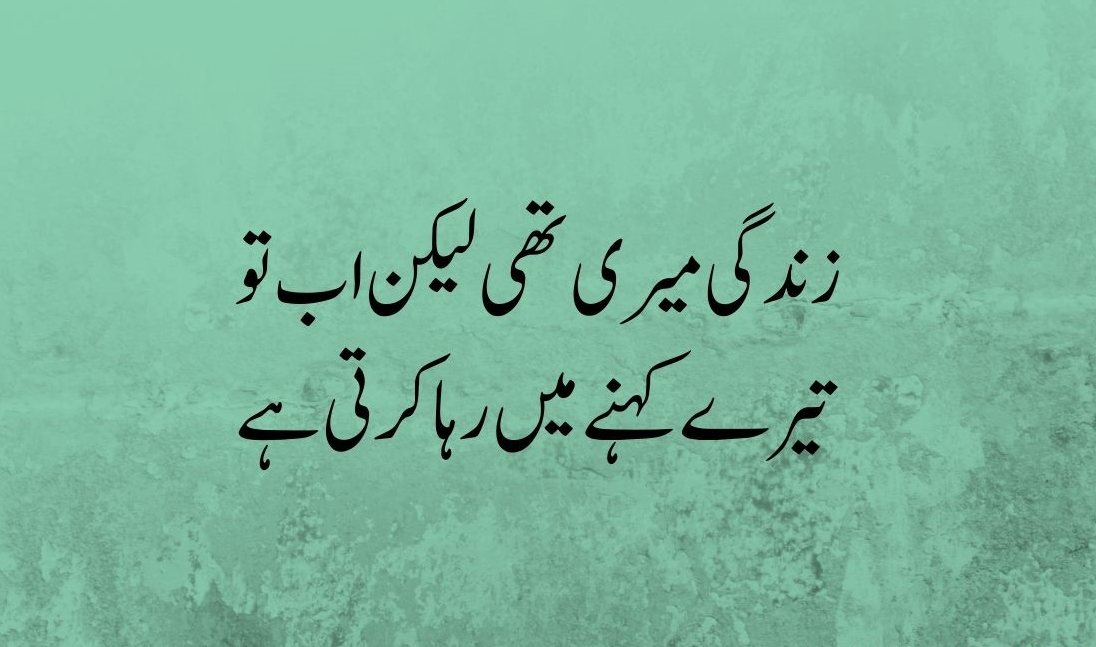
زندگی میری تھی لیکن اب تو
تیرے کہنے میں رہا کرتی ہے

کیسے کہہ دوں کہ مجھے چھوڑ دیا ہے اس نے
بات تو سچ ہے مگر بات ہے رسوائی کی
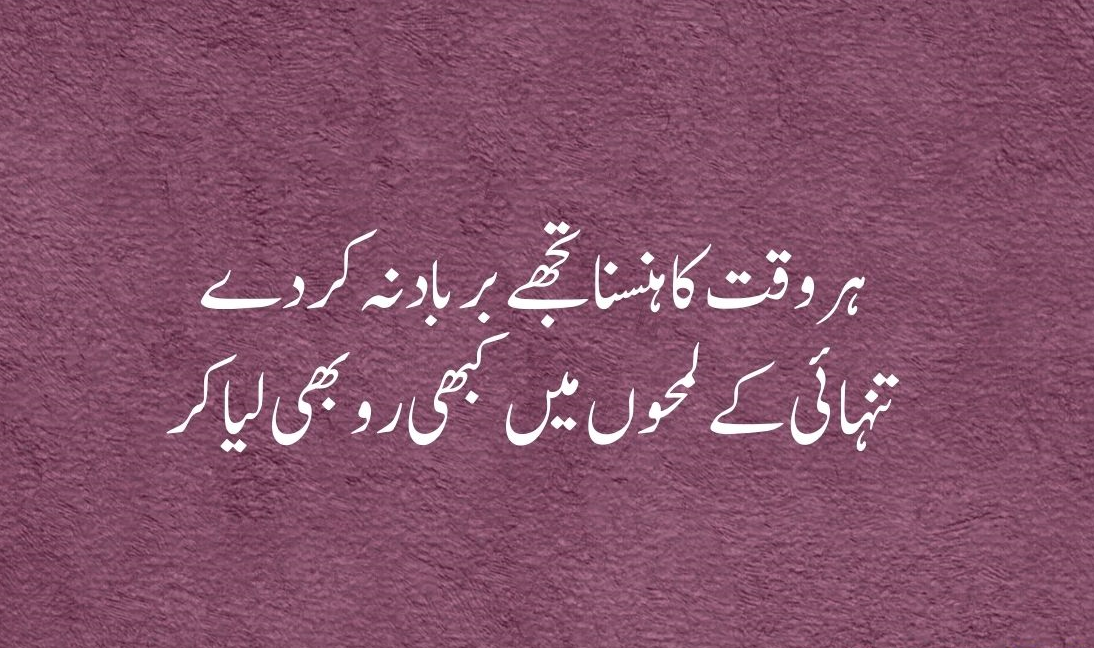
ہر وقت کا ہنسنا تجھے برباد نہ کر دے
تنہائی کے لمحوں میں کبھی رو بھی لیا کر
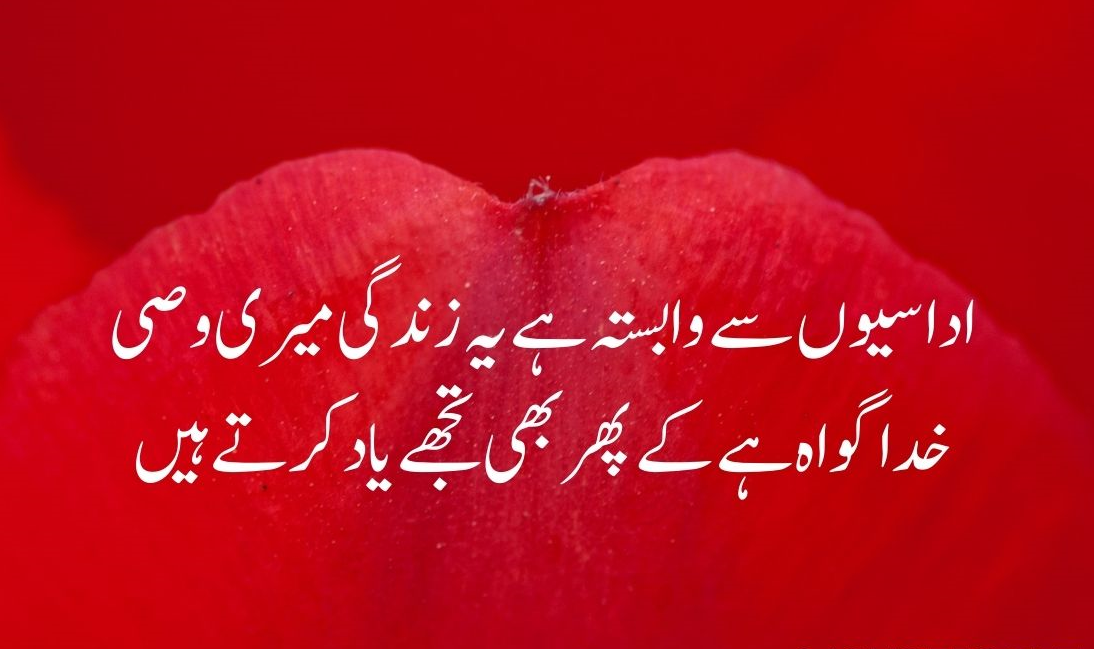
اداسیوں سے وابستہ ہے یہ زندگی میری وصی
خدا گواہ ہے کے پھر بھی تجھے یاد کرتے ہیں

کچھ ہو رہے گا عشق و ہوس میں بھی امتیاز
آیا ہے اب مزاج ترا امتحان پر
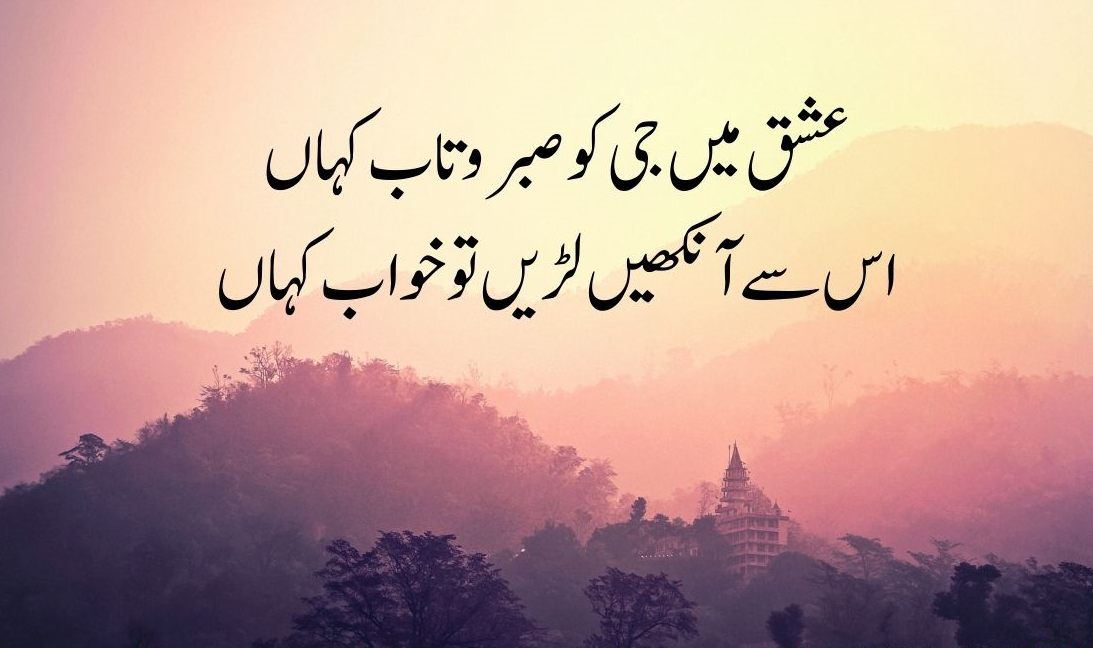
عشق میں جی کو صبر و تاب کہاں
اس سے آنکھیں لڑیں تو خواب کہاں

آگ سے خاک ہو گیے ہم
نہ جانے کہاں کہو گيے ہم

پاس جب تک وہ رہے درد تھما رہتا ہے
پھیلتا جاتا ہے پھر آنکھ کے کاجل کی طرح

جن اشکوں کی پھیکی لو کو ہم بے کار سمجھتے تھے
ان اشکوں سے کتنا روشن اک تاریک مکان ہوا