
Happy Life
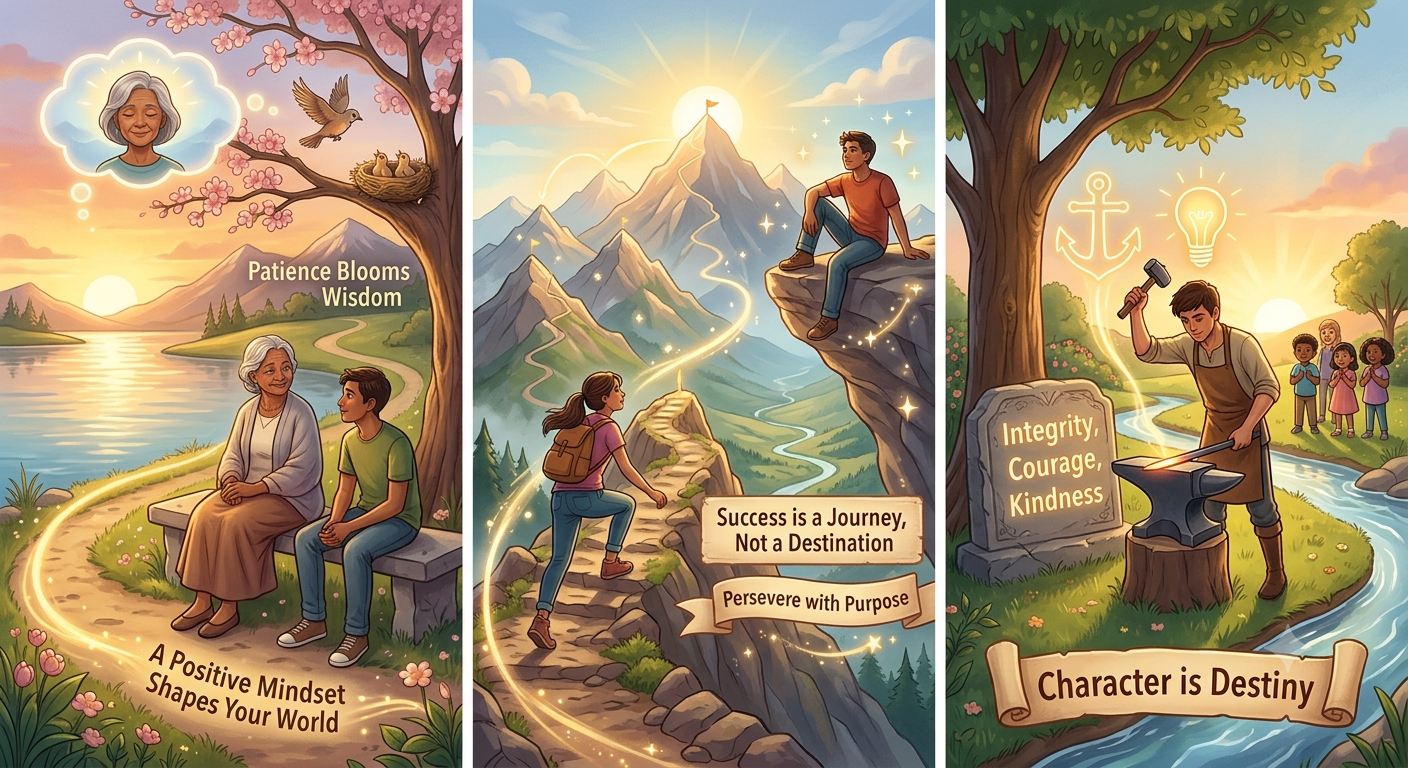
A happy life is not built through constant comfort, popularity, or quick success. It is shaped by patience during difficult seasons, a steady mindset, respectful behavior, and the willingness to keep moving forward after mistakes.
The most useful life lessons are often simple, but applying them consistently takes maturity. The principles below can help you make better decisions, protect your peace, build stronger relationships, and create success without losing your values.

happy life
What Defines a Strong and Happy Person?
Character becomes clearest in two situations: when you have very little and when you have a great deal. Patience matters when circumstances are difficult. Attitude matters when life is going well.
Money, recognition, and status can change a person quickly. A grounded person remains respectful, disciplined, and grateful in every season. That is why mindset and maturity often matter more than appearance or outward success.
Focus on direction, not speed
Life is a journey, not a competition to reach every milestone first. Moving slowly does not mean you are failing if you are still moving in the right direction.
Direction is more important than speed. A person who takes small, thoughtful steps towards a worthwhile goal is often in a better position than someone moving quickly without purpose.
- Choose goals that reflect your values.
- Make progress through consistent daily effort.
- Avoid comparing your timeline with someone else’s.
- Change course when experience shows that a path is wrong.
Learn From Mistakes Without Being Controlled by Them
Mistakes are part of growth. Failure can teach practical lessons about preparation, judgment, habits, and resilience. The important thing is not to repeat the same mistake without reflection.
Wise people learn from their own experiences, but they also pay attention to the consequences of other people’s choices. This can prevent avoidable pain and help you make decisions with greater awareness.
A simple way to turn mistakes into experience
- Accept what happened. Denial delays learning.
- Identify the real cause. Look beyond excuses and blame.
- Find the lesson. Ask what you would do differently next time.
- Make one practical change. Adjust a habit, boundary, plan, or decision process.
- Move forward. Regret cannot undo the past, but it can guide wiser action.
Failure does not have to define you. Refusing to try is often more limiting than making an honest attempt that does not work out.
Choose Your Company Carefully
The people around you influence your standards, thinking, confidence, and behavior. Being alone is often healthier than remaining in company that encourages poor decisions, disrespect, or negativity.
This does not mean isolating yourself from everyone. It means being selective about who receives your time, trust, and energy.
Signs of healthy company
- People respect your boundaries and values.
- They encourage growth rather than destructive habits.
- They are honest without being cruel.
- They support you during difficult times, not only successful ones.
- You can be yourself without pretending to fit in.
Hard times often reveal who is truly dependable. Remember those who brought encouragement when life was difficult, rather than focusing only on people who appeared after success.
Protect Your Peace Through Emotional Discipline
Being angry is a normal human emotion. Being cruel is a choice. Emotional strength is not about never feeling upset, disappointed, or frustrated. It is about managing those feelings without causing unnecessary harm.
Three moments require particular caution:
- When you are angry: avoid sending immediate replies or messages that may create lasting damage.
- When you are overly excited: avoid making promises you may not be able to keep.
- When you are deeply sad: avoid making major decisions until your thinking is clearer.
Calmness is a powerful form of self-control. Silence can be wiser than arguing with people who are committed to misunderstanding you, provoking you, or diminishing your dignity.
How to respond instead of react
Before responding to a difficult situation, pause and ask:
- Is this worth my energy?
- What outcome do I want?
- Will my response reflect the person I want to be?
- Would I still say this after I have calmed down?
A thoughtful response protects both your relationships and your self-respect.
Words Matter, but Actions Reveal Character
Words can comfort, persuade, inspire, or hurt. Used carefully, they can open conversations and build trust. Used carelessly, they can close doors that may be difficult to reopen.
However, words alone are not enough. A person’s actions show whether their values are genuine. Pay attention to how people treat others, how they behave when no one is praising them, and whether they follow through on what they say.
Listen to words to understand intentions. Observe actions to understand character.
Use respectful language without losing boundaries
Respecting others does not require accepting poor treatment. You can remain polite while setting limits. You can forgive someone without inviting repeated harm. You can leave an unhealthy situation without becoming bitter.
Good manners should not depend on how other people behave. Your conduct represents your values, not theirs.
Stop Letting Other People’s Opinions Control Your Life
Seeking approval from everyone can lead to constant anxiety and poor choices. People will have opinions whether you succeed, struggle, change direction, or remain still. You cannot build a meaningful life by trying to satisfy every voice around you.
Confidence grows when you stop treating criticism, mockery, or misunderstanding as a final judgement on your worth. Use useful feedback to improve, but do not allow every opinion to become your identity.
When people laugh at your ambitions or underestimate you, respond with effort rather than argument. Quiet, consistent work speaks more clearly than a long defense of your plans.
Work Quietly and Let Results Speak
Success is often less visible than people assume. It usually involves repeated effort, private discipline, mistakes, and persistence long before any public result appears.
A productive approach is to focus on the work rather than constantly announcing every goal. This reduces distraction and keeps attention on the actions that matter.
- Build skills before seeking recognition.
- Complete small tasks consistently.
- Do not let ego turn every challenge into a competition.
- Accept that failure may be public while progress is often private.
- Keep trying even when results take time.
Achievement should never become a reason to put others down. Strong people help others rise, share encouragement, and use their influence responsibly.
Leadership Means Invitation, Not Force
Real leadership is not about making people obey through pressure. It is about giving people a reason to believe in a shared direction. A good leader creates trust, sets an example, and helps others see how their contribution matters.
Power is also a test of character. Difficult circumstances reveal resilience, but authority can reveal how a person treats those who cannot offer them anything in return.
Leadership habits that build trust
- Lead by example before giving instructions.
- Use encouragement instead of humiliation.
- Take responsibility for your decisions.
- Give people a clear purpose.
- Lift others up rather than using power to control them.
Train Your Mind to Notice What Is Good
Overthinking can make small problems feel overwhelming. A mind that constantly expects the worst can turn uncertainty into unhappiness. Training your thoughts does not mean pretending that problems do not exist. It means refusing to let every problem control your outlook.
Your mind can be a helpful servant when it is directed towards learning, planning, and problem-solving. It becomes harmful when it is allowed to dominate every moment with fear, resentment, or endless worry.
Practical ways to improve your mindset
- Look for one useful lesson in a difficult situation.
- Replace constant comparison with gratitude for your own progress.
- Spend less time finding fault in others and more time improving yourself.
- Choose thoughts that support courage, patience, and constructive action.
- Remember that small repeated thoughts eventually shape habits and character.
A positive mindset is not a guarantee that life will be easy. It is a decision to meet challenges with hope, perspective, and willingness to act.
Forgiveness Is About Peace, Not Permission
Holding on to every injury can keep you emotionally tied to people and situations that have already caused pain. Forgiveness can be a way of reclaiming peace.
Forgiving someone does not mean saying that their actions were acceptable. It does not require forgetting what happened or removing necessary boundaries. It means choosing not to let resentment control your future.
The most meaningful response to people who hurt you is often to build a life in which they no longer control your happiness, tears, or sense of worth.
Respect the Sacrifices Behind Your Life
Gratitude is an important part of happiness. Many people receive support, care, and opportunities because someone else worked hard quietly behind the scenes.
When parents or caregivers provide a secure and loving life despite limited resources, their effort deserves appreciation. Recognizing these sacrifices can create humility and a stronger sense of responsibility.
Happiness is not only found in what you want next. It is also found in noticing the love, support, and opportunities already present in your life.
Common Mistakes That Steal Peace and Progress
- Following the crowd: popularity is not proof that a choice is right.
- Copying another person’s life: each person has different circumstances, abilities, and responsibilities.
- Reacting immediately: emotional decisions can create avoidable consequences.
- Giving too much importance to ego: petty conflicts waste time and energy.
- Expecting happiness from others: Your well-being needs your own care and responsibility.
- Allowing negativity to become a habit: Repeated negative thinking can limit your ability to see solutions.
- Taking loyal people for granted: Value those who support you before success makes you more visible.
A Daily Checklist for a Better Life
Use these questions at the end of each day to build patience, self-awareness, and good character:
- Did I make progress in the right direction?
- Did I learn something from a mistake or challenge?
- Did I respond calmly when I felt emotional?
- Did my actions match my words?
- Did I treat others with respect while protecting my boundaries?
- Did I spend time improving myself instead of judging others?
- Did I show gratitude to someone who supports me?
Final Thought
A meaningful life is built through steady effort, wise choices, emotional control, and kindness. Difficult moments may test you, but they can also reveal your strength, clarify your path, and teach you who truly belongs in your life.
Be patient when life feels uncertain, remain humble when success arrives, and keep your character strong in every situation.





Leave a Reply